
 +1 (604) 554-0962
Adding a Legal Basement Suite in BC: Permits, Cost and Timeline (2026)
BC now allows secondary suites province-wide — but legal is the operative word. What a code-compliant basement suite costs in Metro Vancouver, which permits you need, how financing changed in 2025, and a realistic timeline from design to tenant.
August 24, 2026 · 6 min read
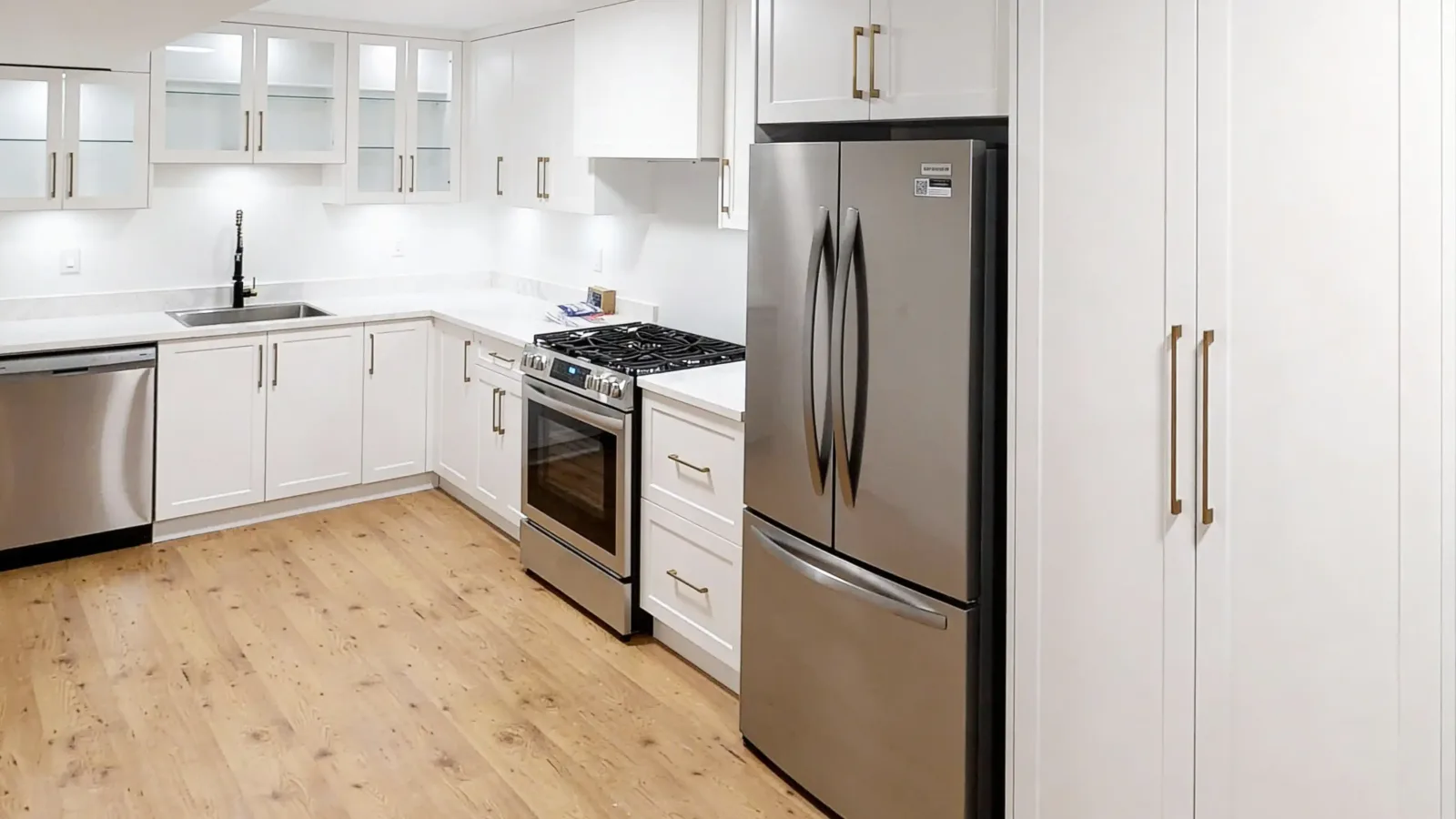
A legal basement suite is the Lower Mainland's most practical answer to two problems at once: mortgage pressure and the housing shortage. Since BC's small-scale housing legislation took effect, suites are permitted in far more neighbourhoods than before — but "allowed" and "legal" are not the same thing. Here's what it actually takes in 2026.
The short answer
- Cost: most Metro Vancouver basement suite conversions land between $60,000 and $120,000. A code-compliant one-bedroom suite commonly runs $75,000–$130,000; projects that need excavation or underpinning to reach legal ceiling height can exceed $150,000–$200,000. Per square foot, expect roughly $100–$250 — more than a regular basement renovation, because fire separation, a separate electrical service and code plumbing are not optional.
- Permits: a building permit is required everywhere — in the City of Vancouver, adding a secondary suite to an existing house is explicitly on the permit-required list — plus plumbing, electrical and often gas permits for the trade work.
- Timeline: typically 1–3 months for design and permits (municipality-dependent) and 2–4 months of construction. Plan on half a year from first drawing to first tenant.
Those are market planning ranges. For a real number, book a free consultation — PCC has built legal suites in the region, including a full basement secondary suite conversion in Port Moody.
What changed: suites are now allowed almost everywhere
BC's small-scale, multi-unit housing legislation (Bill 44, passed in late 2023) requires local governments to update their zoning to allow at least one secondary suite or accessory dwelling unit in single-family and duplex residential zones, with limited exceptions. By late 2024, nearly 90% of BC communities had adopted the new zoning. If your neighbourhood was zoned against suites for decades, that blanket prohibition is likely gone.
Two important caveats:
- The legislation does not legalize existing unpermitted suites. A suite built without permits is still unpermitted — and insurers and buyers treat it that way.
- Zoning details still live with your municipality — parking requirements, size limits and owner-occupancy rules vary between Vancouver, Surrey, Coquitlam and the rest of Metro Vancouver. Our guide to basement and secondary suite rules by city collects what each city we serve publishes.
What makes a suite "legal"
A legal suite is one built under a building permit to the BC Building Code's secondary-suite provisions, then inspected and approved. The requirements that drive most of the cost:
- Fire separation between the suite and the main home — typically drywall assemblies and sealed penetrations rated for the purpose, plus interconnected smoke alarms in both units.
- Ceiling height. The Code sets minimums for suites, with some relaxations for suites in existing homes — but many older Lower Mainland basements still come up short, which is where excavation or underpinning (and the big budget jump) enters.
- Egress: bedroom windows sized and positioned for emergency escape.
- A self-contained unit: its own entrance, kitchen, bathroom, and independent heating control.
- Electrical service able to carry two households — older 100-amp panels frequently need upgrading.
Every one of these is verified by municipal inspectors at set stages. It's exactly this paper trail that makes the suite legal — mortgageable, insurable and advertisable.
What it costs, honestly
The market ranges above are wide because basements start in wildly different condition. The three questions that most determine where you land:
- Is the ceiling already high enough? If yes, you've avoided the single most expensive line item (underpinning).
- Where is the plumbing stack? A kitchen and bathroom near existing drainage cost far less than ones across the slab.
- How old is the electrical panel? A service upgrade adds thousands, and it's non-negotiable if the load calculation says so.
A realistic mid-case: a 1980s Coquitlam or Port Moody home with adequate height and a well-placed stack, converted to a one-bedroom legal suite — commonly $85,000–$120,000 in 2026, including design, permits, and all trades.
Financing: what's actually available in 2026
This is where most online guides are out of date — the programs changed twice in 18 months:
- BC's Secondary Suite Incentive Program (SSIP) is closed to new applicants. The provincial pilot, which offered a forgivable loan of up to $40,000, stopped accepting applications in early 2025; BC Housing is only administering loans already approved.
- The current federal support is a mortgage-refinancing rule, not a grant. Since January 15, 2025, insured mortgage refinancing is available specifically to add secondary suites: homeowners can refinance up to 90% of the post-renovation value of the home (as-improved value under $2 million), amortized up to 30 years — provided the new suite is a self-contained legal unit and is rented long-term, not as a short-term rental.
In practice: talk to your lender or broker about the insured-refinance route before finalizing scope, and treat any website promising a specific grant as possibly stale — verify against BC Housing and CMHC directly.
Does the math work?
One-bedroom suites in Metro Vancouver commonly rent for $1,800–$2,200 per month at market rates. Against a $100,000 build, that's meaningful mortgage relief — and unlike most renovations, a legal suite adds appraisable income to the property. Run your own numbers conservatively: vacancy, maintenance and the difference between legal and "existing non-conforming" all matter at resale.
Frequently asked questions
Can I legalize an existing unpermitted suite?
Often yes — municipalities generally have a path for it, and it's usually cheaper than building from bare studs, but expect to open walls so inspectors can verify fire separation, wiring and plumbing. What you can't do is skip the process and hope: unpermitted suites surface at sale, insurance claim or tenant dispute, always at the worst time.
Do I have to live in the house?
Several municipalities require owner-occupancy of either the principal home or the suite. This is a municipal zoning rule, not a building-code one — check your city's current bylaw.
Will my property taxes change?
Adding a legal suite changes your assessment like any major improvement. Most owners find the rental income comfortably outweighs the increase, but budget for it.
Is a laneway home better than a basement suite?
A laneway house rents higher but typically costs 3–4× as much to build. If the basement has height and drainage, the suite is almost always the faster payback.
Start with a feasibility check, not a floor plan
The first hour of a suite project should answer three questions: height, drainage, electrical. PCC does exactly that on a free site visit — we've taken Lower Mainland basements from bare storage to fully legal rental suites, and we'll tell you honestly if yours isn't a good candidate.
Book a free consultation or see our full-home renovation services — serving Port Moody, Coquitlam, Burnaby and across Metro Vancouver.
PCC Renovations Team
Renovation specialists
More articles
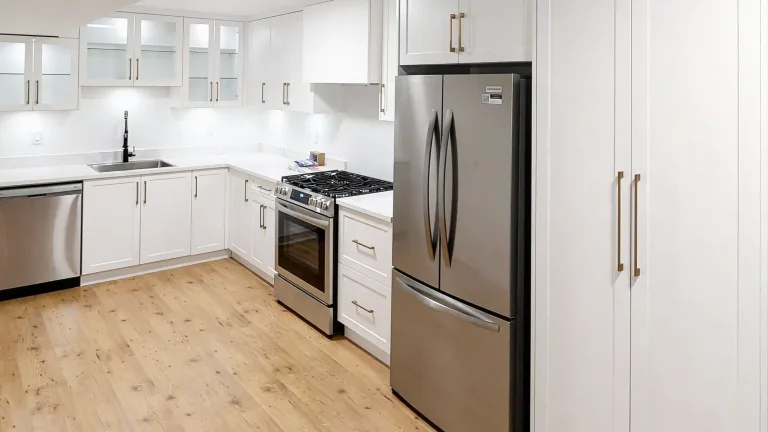
Basement and Secondary Suite Rules by City (Lower Mainland)
Suite and basement rules still differ from city to city…Suite and basement rules still differ from city to city across the Lower Mainland: which zones allow a suite, how many,…Suite and basement rules still differ from city to city across the Lower Mainland: which zones allow a suite, how…
October 11, 2026 • 20 min
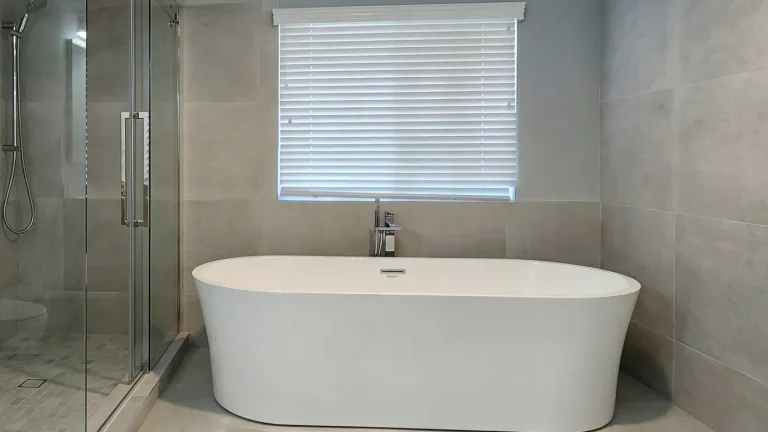
How Much Does a Bathroom Renovation Cost in Metro Vancouver? (2026 Guide)
What Metro Vancouver homeowners actually pay for bathroom…What Metro Vancouver homeowners actually pay for bathroom renovations in 2026 — powder rooms to full ensuites, the plumbing…What Metro Vancouver homeowners actually pay for bathroom renovations in 2026 — powder rooms to full ensuites, the…
August 24, 2026 • 4 min
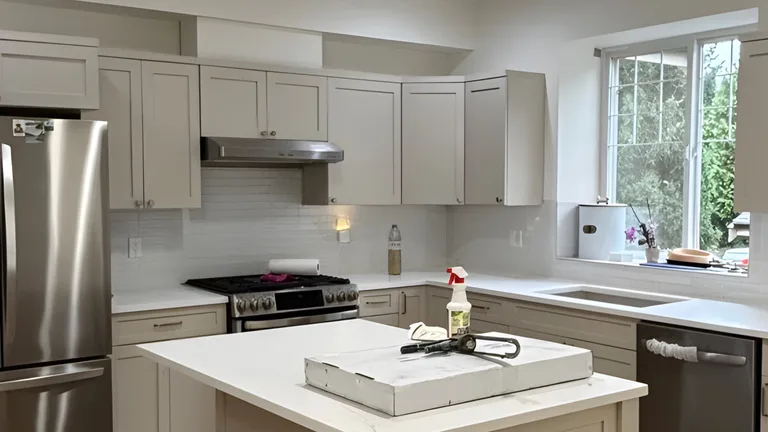
How Much Does a Kitchen Renovation Cost in Metro Vancouver? A 2026 Price Guide
Realistic 2026 kitchen renovation budgets for Metro…Realistic 2026 kitchen renovation budgets for Metro Vancouver — what a refresh, a mid-range remodel and a custom kitchen…Realistic 2026 kitchen renovation budgets for Metro Vancouver — what a refresh, a mid-range remodel and a custom…
August 24, 2026 • 5 min

Let’s build a space you’ll love for years.
Book a free consultation with our renovation specialists and receive recommendations, to help you create a space that’s functional, beautiful, and built around your needs.